
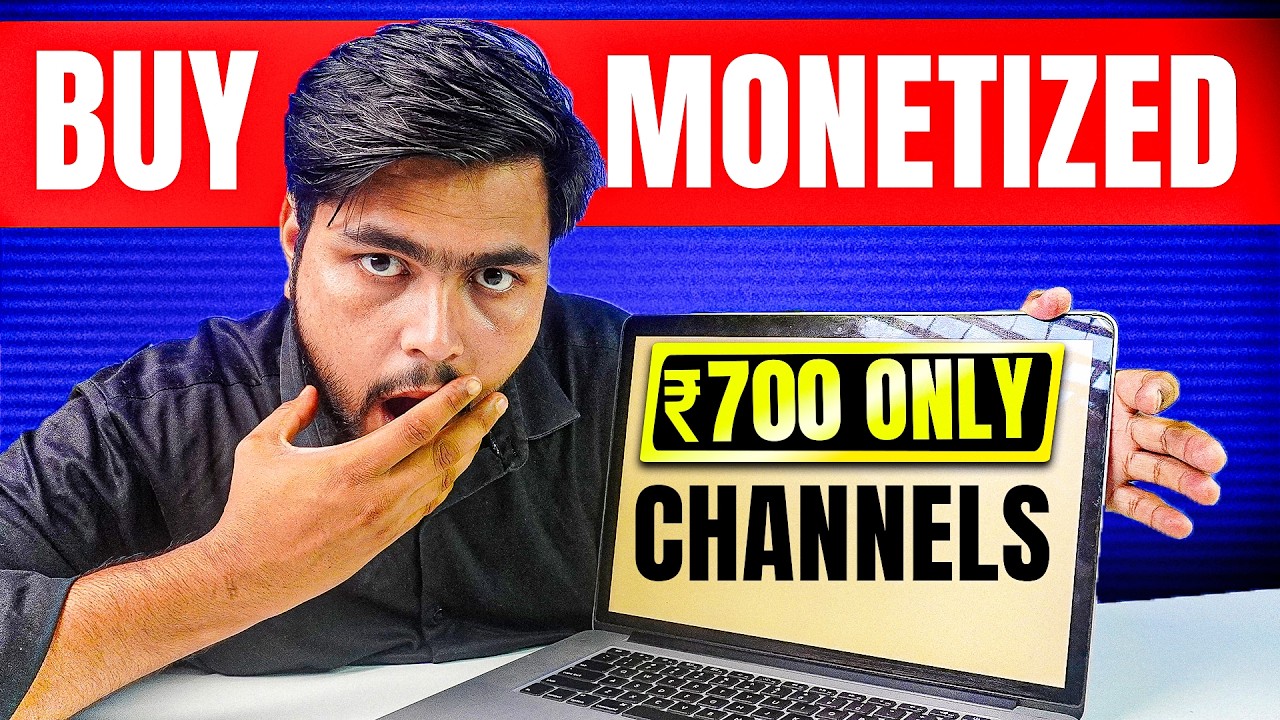
Buying a YouTube channel looks simple from the outside. You find a channel, check its subscriber count, negotiate the price and complete the deal.
In reality, this is exactly where many buyers make expensive mistakes.
I am Gyanendra Dwivedi, and I have spent years working closely with YouTube channels, creators and digital businesses. During this journey, including my experience around creator ecosystems such as Josh Talks and PhysicsWallah, I have learned one important lesson: the real value of a YouTube channel is rarely visible from its subscriber count alone.
A channel with 100,000 subscribers can sometimes be less useful than a smaller channel with 10,000 relevant and active viewers.
If you are planning to buy a YouTube channel in India, this guide will help you understand what I personally check before considering a channel suitable for purchase.
Why Do People Buy Existing YouTube Channels?
Starting a new YouTube channel from zero requires patience. You have to publish consistently, understand your audience and wait for YouTube to gather enough data about your content.
This is why many entrepreneurs, creators and businesses consider buying an existing YouTube channel.
An established channel may already have:
• Existing subscribers
• Published videos
• Audience history
• Search visibility
• Watch time
• Returning viewers
• An established niche
• Monetization eligibility or active monetization
However, buying an existing channel is not a shortcut to guaranteed success.
You are purchasing an existing digital asset with its own audience, content history and possible risks. If the channel does not match your future content plan, its subscribers may not respond to your videos.
The first question should never be, “How many subscribers does this channel have?”
The correct question is, “Will this channel’s existing audience be interested in what I plan to publish?”
Start With Your Purpose, Not the Subscriber Count
Before browsing channels, I recommend writing down exactly why you want to buy one.
Are you planning to build a personal brand? Do you want to promote a business? Are you buying a monetized channel to publish original content? Or do you already manage multiple channels and want to enter a new niche?
Your purpose will determine the kind of channel you should consider.
For example, if you want to create finance content, purchasing an inactive entertainment channel only because it has a large subscriber count may not help. The existing subscribers originally joined for different content.
When the topic changes suddenly, those subscribers may ignore the new videos. This can reduce click-through rate, watch time and overall audience response.
In my experience, audience relevance is more valuable than an impressive subscriber number.
TIP: A smaller channel with recent organic views and the right audience can be more valuable than a large channel with inactive or irrelevant subscribers.
What I Check Before Buying a YouTube Channel
Whenever I examine a YouTube channel, I try to understand its complete story.
I want to know where the subscribers came from, which videos generated the views, whether the audience is still active and why the owner wants to sell it.
A seller should be able to provide recent information about:
• Monthly views
• Watch time
• Subscriber growth
• Top-performing videos
• Audience countries
• Traffic sources
• Returning viewers
• Monetization status
• Revenue, if applicable
• Copyright claims
• Community Guidelines status
• Content ownership
These details should come from recent YouTube Studio analytics whenever possible.
A listing page is useful for discovering a channel, but it should not be treated as the final verification. Analytics can change daily, so buyers should always examine current information before making payment.
How I Read YouTube Studio Analytics
Screenshots can look impressive, but a buyer needs to understand what those numbers actually mean.
I usually start with the Overview section and compare multiple periods. Looking at only the last seven or twenty-eight days can sometimes create the wrong impression, especially if one video recently went viral.
I prefer understanding how the channel performed over a longer period.
Is the channel consistently receiving views, or did almost all the traffic come from one video?
Are the subscribers still watching new uploads?
Has the channel been inactive for several months?
These questions matter more than lifetime views.
After that, I examine the Content and Reach sections.
Traffic from YouTube Search, Browse Features and Suggested Videos can indicate that YouTube understands the channel and its audience. External traffic is not automatically bad, but unexplained traffic spikes deserve closer inspection.
The Audience section is equally important.
If you plan to create Hindi content for Indian viewers, but most subscribers come from an unrelated country or language, the channel may not be suitable for your plan.
WARNING: Be careful when a seller provides only cropped screenshots, hides the channel name, shares very old analytics or pressures you to make payment before verification.
Monetized Does Not Mean Risk-Free
Many buyers specifically search for a monetized YouTube channel because they want to avoid starting from zero.
There is nothing wrong with considering monetization status, but monetization alone should not decide the purchase.
I check whether the channel is currently monetized, which content generates revenue and whether that content appears original and sustainable.
I also look for:
• Copyright strikes
• Community Guidelines strikes
• Reused-content risks
• Invalid-traffic concerns
• Limited-advertising notices
• Unlicensed music or footage
• Content belonging to another person
• Pending policy appeals
YouTube monetization is not permanent. A channel can be reviewed again, and future revenue depends on content quality, views, audience, advertiser demand and compliance with YouTube policies.
No genuine seller or marketplace should promise guaranteed future earnings.
Another important point is AdSense.
The seller’s AdSense account and the YouTube channel are separate. Buyers should not treat someone else’s AdSense account as an asset that automatically transfers with the channel.
The buyer needs to follow Google’s current eligibility, payment-profile and account-linking requirements.
Verify the Person Selling the Channel
You should verify both the channel and the person selling it.
A person may have access to YouTube Studio without having the authority to sell the channel. The seller should be able to demonstrate current control and explain the ownership structure.
Depending on the transaction, verification may include:
• Seller identity
• Live access to YouTube Studio
• Current channel URL and handle
• Brand Account ownership information
• Existing owners and managers
• Copyright and policy history
• Content and brand assets included in the deal
I also recommend asking a very simple question:
“Why are you selling this channel?”
There can be genuine reasons. A creator may be changing careers, managing too many projects or moving to a different niche.
The answer itself is not enough to approve or reject a channel, but it helps you understand the situation.
Do Not Treat a Gmail Password as Ownership
This is one of the most important points in this guide.
Receiving someone’s Gmail password is not the same as receiving properly structured ownership of a YouTube channel.
Password-based transactions can create recovery and security problems. The original account holder may still have access to old devices, recovery information or connected services.
Where eligible, a YouTube channel associated with a Brand Account can use Google’s owner and primary-owner role process.
According to Google’s official guidance, a person generally needs to remain an owner for at least seven days before becoming the primary owner of the Brand Account.
Official Google guidance:
https://support.google.com/youtube/answer/4628007
The exact process can depend on the channel’s current permissions and account configuration. Buyers and sellers should check Google’s latest instructions during the transaction.
TIP: Never use an unsupported shortcut simply because somebody promises to complete ownership in a few minutes.
Use a Written Agreement
A written agreement will not replace verification, but it creates clarity.
Both parties should understand what is being purchased, when payment will be released and what happens if the agreed transfer cannot be completed.
A proper agreement should identify:
• Channel name, URL and handle
• Buyer and seller details
• Final purchase price
• Payment method
• Videos and digital assets included
• Known claims, strikes or restrictions
• Transfer responsibilities
• Payment-release conditions
• Refund or cancellation terms
• Responsibility for previous content
• Dispute-resolution process
For a high-value transaction, relying only on WhatsApp messages is not enough.
Save the listing, agreement, payment receipt and important verification evidence until the transaction has been completed.
How the Buying Process Works on AccountVilla
AccountVilla was built to make YouTube channel discovery and transactions more structured for Indian buyers and sellers.
A typical buyer journey includes:
First, the buyer browses available channels and chooses options according to niche, audience, monetization status and budget.
Second, the buyer reviews the listing and requests relevant verification information.
Third, the parties confirm the channel, price, included assets and transaction terms.
Fourth, payment and ownership-transfer steps are completed according to the agreed process.
Finally, the buyer checks the channel access, ownership and delivered assets before the transaction is closed.
AccountVilla can provide guidance during this process, but every buyer should still examine the evidence and make an independent purchasing decision.
You can browse currently available channels here:
https://accountvilla.com/items
What to Do After Receiving the Channel
The transaction is not finished simply because the channel appears inside your account.
After receiving the required ownership and access, review:
• Owners and managers
• Channel permissions
• Recovery information
• Two-step verification
• Connected devices
• Third-party applications
• Linked services
• Copyright notifications
• Community Guidelines notices
• Contact and business information
Remove unnecessary access carefully and according to the agreed transfer process.
You should also confirm which videos, thumbnails, music licences, logos and other brand assets were included in the purchase.
Do not assume that purchasing the channel automatically gives you the legal right to every piece of content previously uploaded to it. Content rights should be clearly addressed in the agreement.
Do Not Destroy the Existing Audience
One mistake I frequently see is that buyers immediately delete everything and completely change the channel.
Sometimes a change is necessary, but it should be based on data.
Before publishing new content, study:
• The channel’s most successful topics
• Videos attracting current traffic
• Audience language and country
• Thumbnail and title patterns
• Returning-viewer behaviour
• Comments from existing subscribers
If your future content is related to the existing niche, transition gradually.
A sudden change from gaming to finance, devotional content to technology or entertainment to education may confuse the audience. Existing subscribers may stop clicking, which can affect early performance.
Prepare at least ten video ideas before purchasing the channel. This will help you decide whether the channel actually fits your long-term plan.
Common Mistakes I Would Avoid
Buying Only for Subscribers
Subscriber count is visible and easy to compare, but it does not show current audience activity. Always compare subscribers with recent views, watch time and returning viewers.
Trusting Revenue Screenshots Without Context
One high-revenue month does not guarantee future income. Look at multiple periods and understand which videos generated the revenue.
Ignoring Copyright History
A channel may contain videos, music or footage that the seller does not fully own. This can become the buyer’s problem after the transaction.
Making Payment Before Verification
Pressure and urgency should not replace due diligence. Verify the channel and understand the terms before paying.
Buying Without a Content Plan
Even a strong channel can decline if the new owner stops uploading or publishes content the audience does not want.
Expecting Guaranteed Monetization or Views
YouTube performance changes constantly. No channel purchase can guarantee permanent monetization, revenue, ranking or reach.
Is Buying a YouTube Channel Safe?
There is no completely risk-free digital-asset transaction.
The process becomes safer when the buyer verifies the seller, examines current analytics, reviews policy history, confirms content rights, uses written terms and follows Google’s current ownership procedures.
The goal should not be to eliminate every possible risk. The goal should be to identify the risks before making a decision.
Why I Recommend a Verification-First Approach
After working with YouTube channels for years, I have learned that excitement can be dangerous during a purchase.
A buyer finds a channel with the right subscriber count, imagines the future income and starts treating the deal as an opportunity that must be completed immediately.
That is when important questions get ignored.
My approach is simple:
First understand the channel. Then verify the evidence. After that, discuss the price and transaction.
The order matters.
A channel should be purchased because its audience, history and potential fit your plan—not because the seller created urgency.
Final Checklist Before You Buy
Before completing the purchase, confirm that:
• The channel matches your intended niche
• Recent analytics have been reviewed
• Audience geography is suitable
• Traffic sources look understandable
• Monetization status is current
• Revenue evidence has been checked
• Copyright and policy history is known
• Seller identity and control are verified
• Included assets are clearly written
• Payment and refund conditions are understood
• The ownership-transfer process is clear
• Google’s required waiting period is followed
• Final security checks will be completed
My Final Advice
If you want to buy a YouTube channel in India, do not rush because of a large subscriber count, low price or impressive revenue screenshot.
Take time to understand the channel as a complete digital asset.
Look at its audience, recent performance, traffic quality, policy history, content rights and ownership structure. Think about what you will publish after taking control and whether the existing audience will genuinely care about that content.
A good purchase begins with the right channel, but it succeeds only when the buyer has the right plan.
AccountVilla is operated by Infridet Solutions Private Limited and is designed to help Indian buyers and sellers compare YouTube channel opportunities through a more structured process.
Browse available YouTube channels:
https://accountvilla.com/items
For buying or selling assistance, contact the AccountVilla team:
Ready to Buy or Sell a YouTube Channel?
Compare available channels or connect with the AccountVilla team for guided verification and ownership-transfer support.

Discussions 0